Late April through May, and late September into October, are the two windows nearly every ranger and repeat visitor points toward for the best time to visit Great Smoky Mountains National Park. Both bring comfortable temperatures, active wildlife, and crowds that are real but manageable compared with the gridlock of July or an October Saturday. The park itself never closes — it's open all day, every day of the year — so the real question isn't whether to go, it's which trade-offs you're willing to accept.
More than 12 million people visit each year, making this the most-visited national park in the country, and most of them arrive between June and August or during peak fall color. Because elevations swing from 875 feet at Abrams Creek to 6,643 feet atop Kuwohi (formerly Clingmans Dome), the mountain can serve up two different climates on the same afternoon. Pack for both, whatever month you land here, and see our park overview for the geography behind those swings.
Best Time to Visit at a Glance
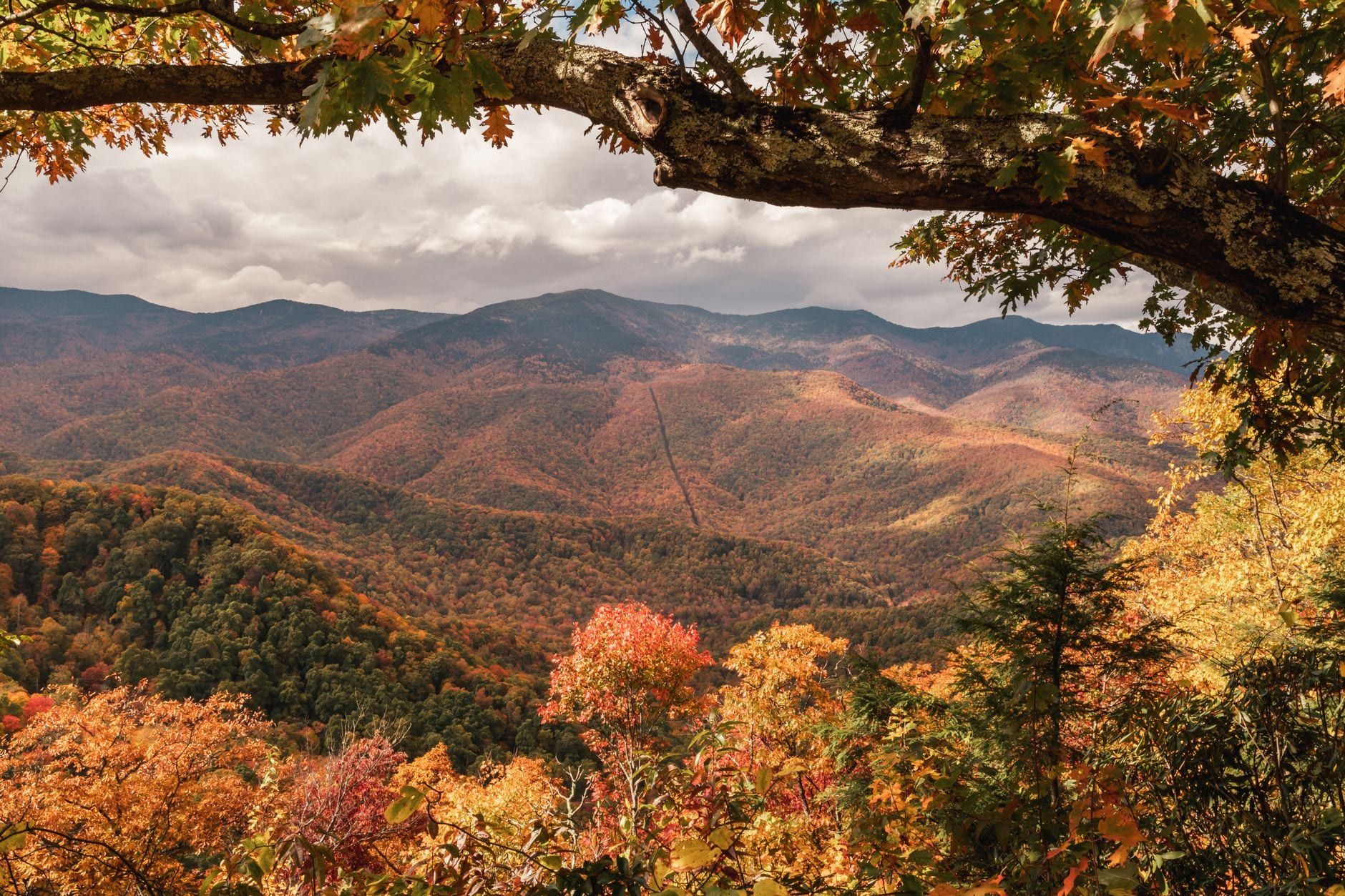
If you only remember two windows, make them late April into May and the last week of September through mid-October. Spring delivers wildflowers, full waterfalls, and temperatures in the 60s and 70s at low elevation without summer's humidity or crowds. Fall brings the same mild weather plus the reason most people book this trip in the first place: the ridgelines turning red, orange, and gold from Kuwohi down to Cades Cove over about six weeks. October is now the park's second-busiest month, so if color matters more to you than solitude, go anyway and just arrive early.
There's no bad month here, since the park never closes and every season has a genuine reason to visit. What changes is the trade-off: summer buys full trail access and firefly season, winter buys an empty park and the cheapest hotel rates in Gatlinburg and Pigeon Forge, spring buys wildflowers and trout streams, fall buys color and elk bugling in Cataloochee. Whatever month you pick, guided tours of the park run nearly year-round and take the route-planning and parking guesswork off your plate.
Weather in the Smokies by Season (and Why Elevation Matters)
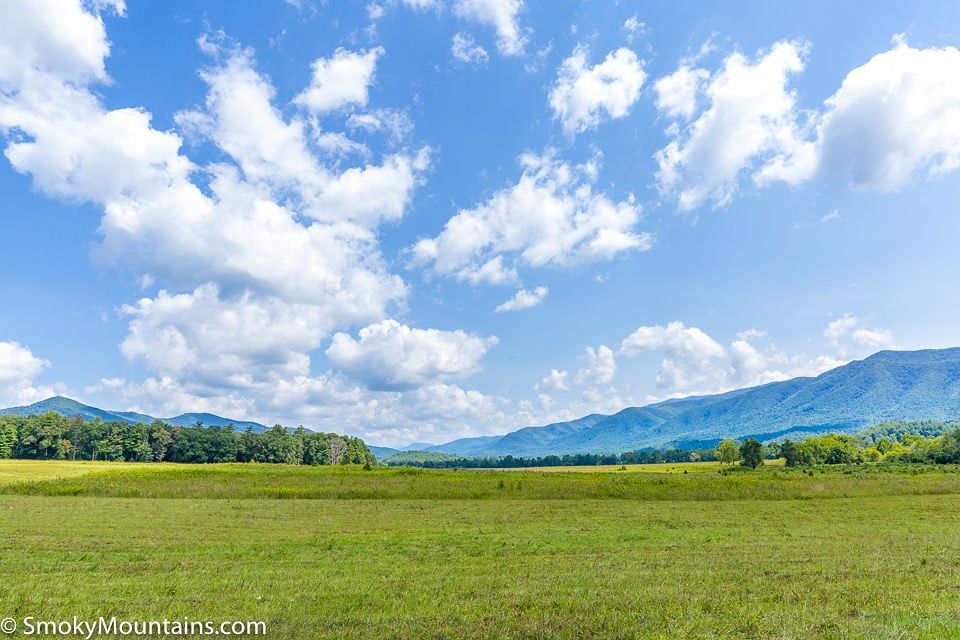
Elevation, not the calendar, does most of the work in the Smokies' weather. The park climbs from 875 feet at the mouth of Abrams Creek to 6,643 feet atop Kuwohi, and that nearly 6,000-foot rise can mean a 10-20°F gap between the valley floor and the summit on the very same afternoon. A forecast for Gatlinburg tells you almost nothing about conditions at Newfound Gap or the Kuwohi observation tower.
Sugarlands Visitor Center, at 1,462 feet, is a good read on valley conditions: July there averages a high of 86°F and a low of 63°F. Climb the road to Kuwohi and that same July day tops out around 65°F with a low near 53°F, sweater weather while the valley below swelters.
| Month | Sugarlands (1,462 ft) | Kuwohi / Clingmans Dome (6,643 ft) |
|---|---|---|
| January | 47°F high / 29°F low | Well below freezing; up to two feet of snow at times |
| July | 86°F high / 63°F low | 65°F high / 53°F low |
July is also the wettest month, averaging 11 to 13 days with measurable rain, mostly brief, heavy afternoon thunderstorms. September flips that pattern: it's typically the clearest month of the year, with clear or partly cloudy skies roughly 65% of the time, part of why the early fall shoulder season photographs so well. Snow is a winter story — January and February see the most, with two feet or more possible up high while the valleys might get only a dusting. Pack layers and a rain shell whenever you go. A 70°F valley morning can turn into a cold, socked-in ridge by lunchtime.
Spring (March-May): Wildflowers and Thinning Crowds
Spring turns the forest floor into a bloom calendar that starts in February and peaks in April and May, when the park's 1,500-plus species of flowering plants, more than any other national park protects, carpet the understory before the canopy fills in and shades them out. Trillium, lady's slipper, and flame azalea appear in waves depending on elevation, and the National Park Service times its annual Wildflower Pilgrimage to catch the peak in April, with naturalist-led walks across the park.
Newborn Wildlife and Unpredictable Weather
Spring is also when the park's wildlife has its young. Black bear cubs and newborn elk calves show up from April into May, most reliably spotted early morning or evening in Cataloochee Valley and Cades Cove. Keep the legally required 50 yards of distance — a mother with young is the least forgiving animal in the park.
Weather swings hard this time of year. A 70°F day at Sugarlands can coincide with snow flurries at Kuwohi, and March through May is one of the wettest stretches on the calendar, with sudden downpours capable of turning creek crossings into flash floods. Trails get muddy fast. Bring boots that can take it, and with the trails still quiet, late April is also a good stretch for a guided hiking tour before summer fills the trailhead lots.
Trout fishing peaks in April and May too. Cooler water holds more oxygen than the warm, sluggish streams of midsummer, so fish are less stressed and bite more readily — one more reason late April and May edge out the rest of spring as the sweet spot before Memorial Day crowds show up.
Summer (June-August): Peak Season, Full Access, and Heat
June through August is peak season, plain and simple. July is historically the single busiest month in the park, with June close behind, and both Cades Cove Loop Road and Newfound Gap Road can back up like a city commute on a Friday afternoon. In exchange, you get every trail, campground, and picnic area open, warm evenings, and the park's best-known natural spectacle.
Synchronous Fireflies at Elkmont
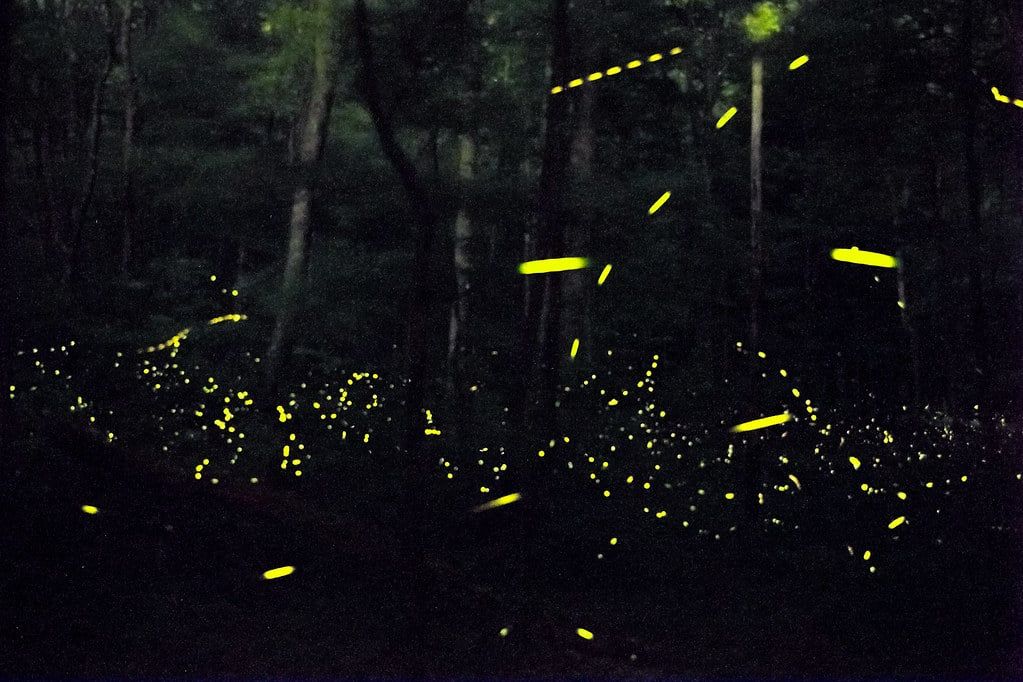
Photinus carolinus, the park's synchronous firefly, puts on its show for a roughly two-week window each year, typically late May into early June near Elkmont. Seeing it now requires winning a lottery: the National Park Service opens the application in late April and issues about 120 vehicle reservations per night. Miss the window and there's no walk-up option, since it's tied to the dates the fireflies actually flash.
Down in the valleys, summer means heat and humidity. Sugarlands' July average high of 86°F comes with sticky afternoons that make an early start worthwhile. Climb to Newfound Gap or Kuwohi and it can be 20 degrees cooler, exactly why those spots draw their own crowd once the lowlands heat up. Near-daily afternoon thunderstorms are the other constant. Start hikes by 8 or 9am and you'll be off the ridge before the sky turns.
Summer is also the water-sports window. Swimming holes and tubing spots along the park's rivers see their heaviest use now, and whitewater rafting trips on the nearby Pigeon River run roughly March through October, with daily summer departures when water levels cooperate.
Beat the worst of the crowds by treating 8am like the new 10am: get to Cades Cove or Laurel Falls before then, or wait until after 3pm, since lots fill hard between 9am and 2pm. Set on a summer trip regardless? Book lodging in Gatlinburg or Pigeon Forge up to a year ahead, because the good rooms go fast.
Fall (September-November): Foliage, Elk Rut, and the Second Crowd Peak
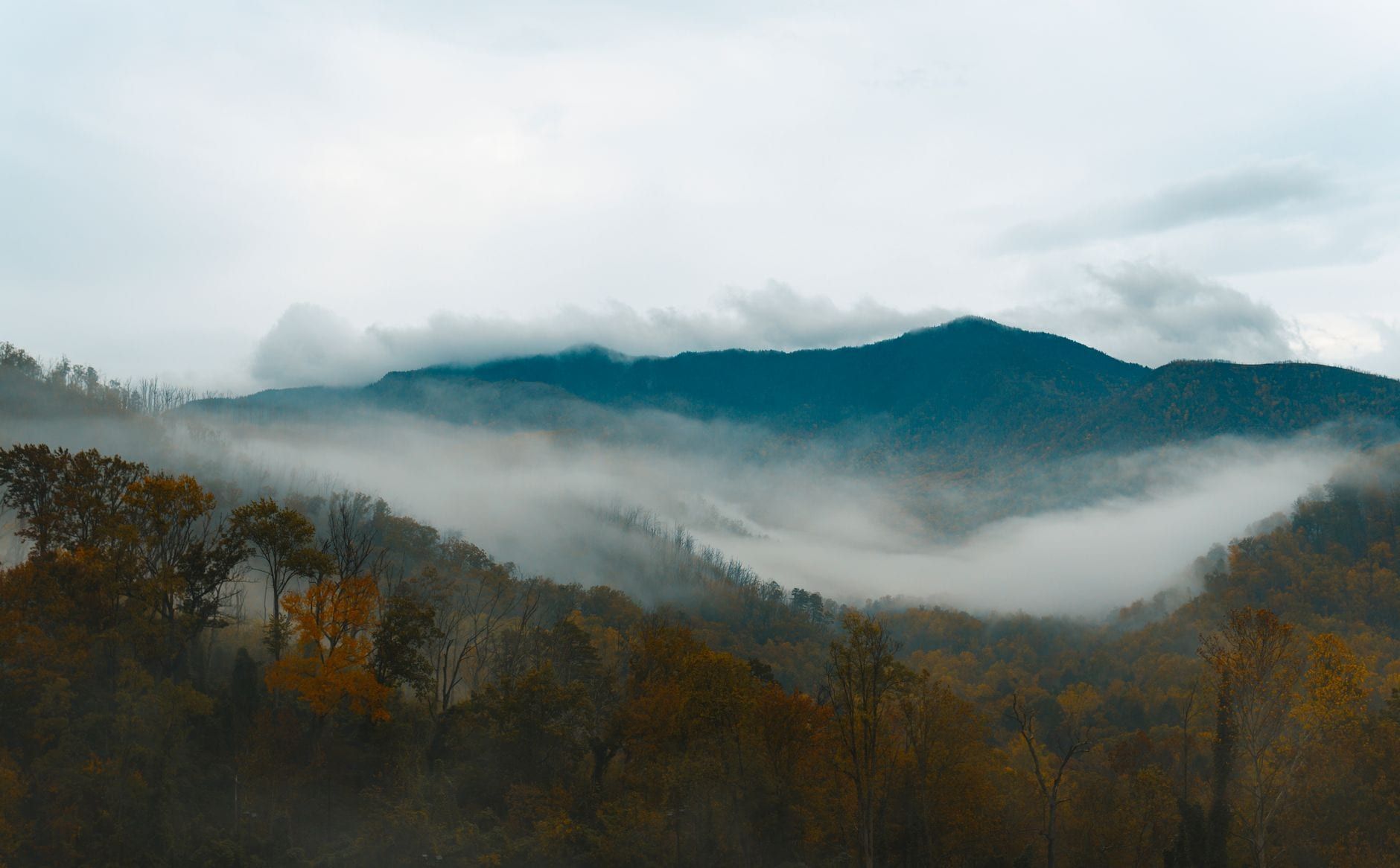
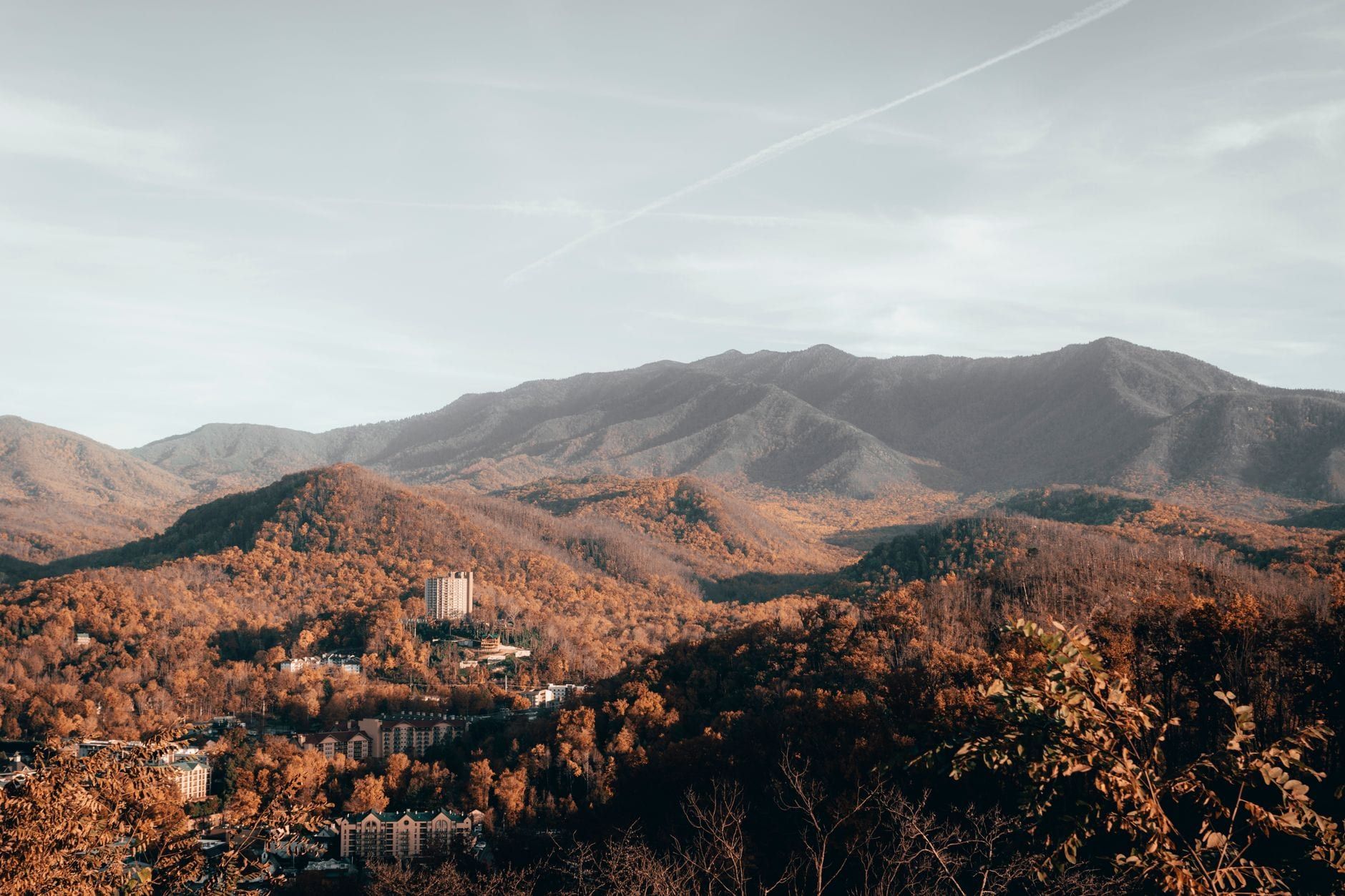
Fall color moves down the mountain over roughly six weeks, and knowing where it currently sits is the whole game. It starts at the highest elevations in mid-to-late September, when Kuwohi and the high balds turn first. Color peaks at higher elevations in mid-to-late October, then finishes in the valleys — Gatlinburg, Cades Cove, the lower stretches of Newfound Gap Road — in late October or early November.
October is the park's second-busiest month of the year, behind only July, and weekend traffic on Newfound Gap Road and the Cades Cove Loop can rival the worst of summer. Want the color without the gridlock? Aim for the last week of September, when high elevations are already turning and crowds haven't caught up, or the first week of November, when the valley floor is still colorful after the peak-October rush fades.
Elk Bugling in Cataloochee Valley
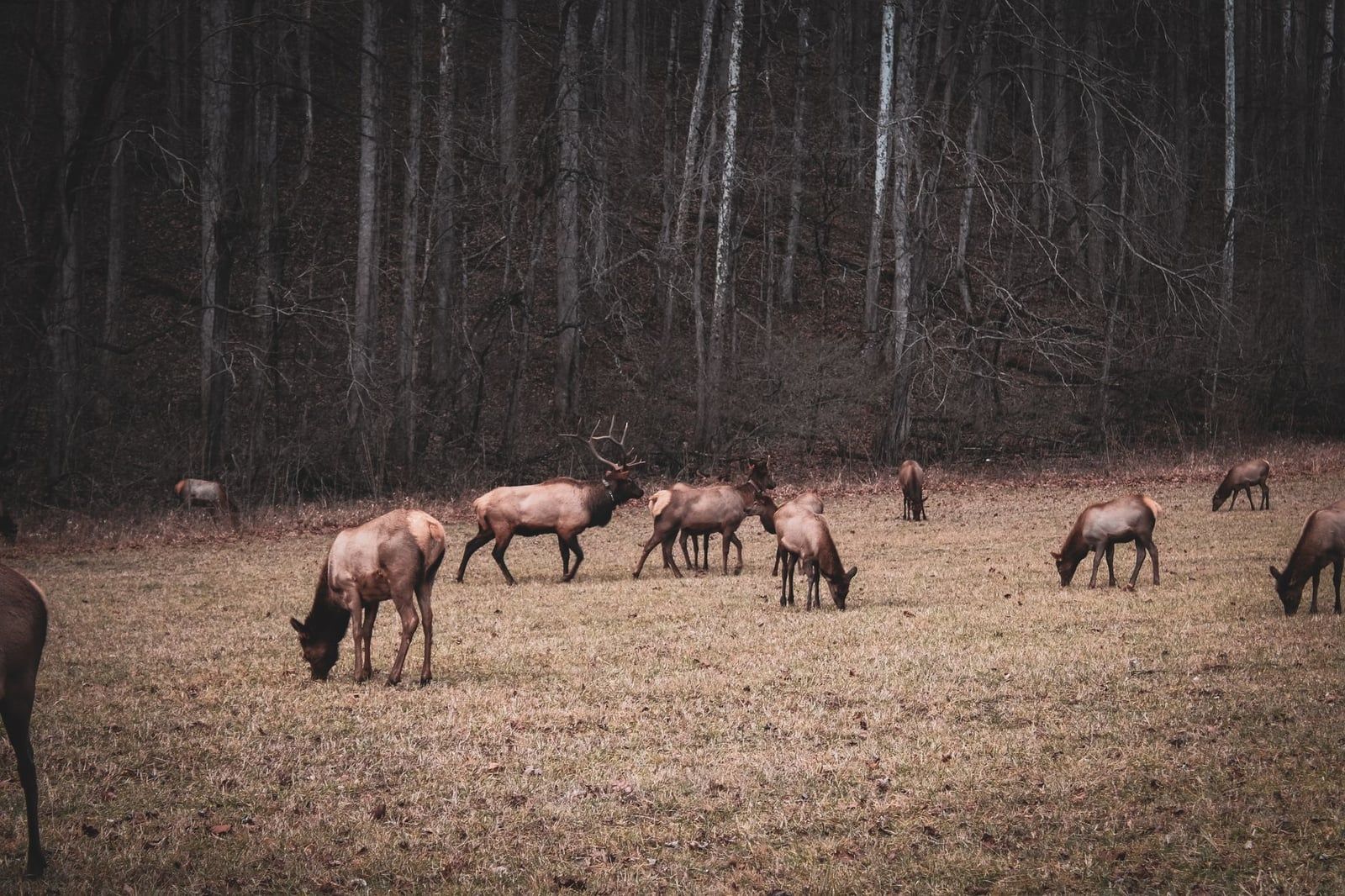
Fall is rutting season for the park's elk herd, and Cataloochee Valley is the place to hear it. Bulls bugle to challenge rivals through September and October, an eerie, whistling call that carries across the valley at dawn and dusk. Stay the legal 50 yards back; a bull in rut isn't an animal to approach for a better photo.
Fall is also the driest, clearest season in the park, with monthly precipitation running around 3 to 3.4 inches compared with 4.5 inches or more in summer. Combine that with the color and it's easy to see why so many people build their whole year around an October trip. If you'd rather see the full elevation gradient without fighting valley traffic, a helicopter tour over the ridgelines shows the color change in a way no overlook can.
Winter (December-February): Solitude, Snow, and the Best Deals
December through February is the park's quiet season, and that's the whole appeal. Crowds thin to a fraction of summer's, lodging rates in Gatlinburg and Pigeon Forge drop to their lowest point of the year outside holiday weeks, and bare trees open up mountain views hidden behind leaves the other nine months.
January is typically the coldest month, averaging a high near 47-49°F and a low around 29°F at low elevation, with noticeably colder conditions up top. January and February also bring the heaviest snow, with two feet or more possible at higher elevations at times. That snow looks great from a pull-off and turns genuinely hazardous on the road, so check conditions before committing to anything above Newfound Gap.
What Closes for the Season
Kuwohi Road and parts of the Roaring Fork Motor Nature Trail typically close for winter, cutting off the park's two most popular scenic drives. Lower-elevation staples — Laurel Falls, Cades Cove Loop Road, the Oconaluftee River Trail — usually stay open, though ice can force short closures after a storm. Check the park's road status before driving up expecting a summit view.
Gateway towns compensate with Winterfest, a run of holiday light displays across Gatlinburg and Pigeon Forge from November through February that turns a cold, quiet trip into something festive. Between drives, a stop on a moonshine tour in Gatlinburg is a fitting way to warm up on a slow winter afternoon.
Best Time to Visit by Priority: A Quick-Decision Table
Match your priority to the month below instead of rereading four seasonal breakdowns.
| Priority | Best Time to Go |
|---|---|
| Fewest crowds | December-March, weekdays |
| Best all-around weather | Late April-May or late September-October |
| Fall foliage | Late September (high elevation) through early November (valleys) |
| Wildflowers | April-May |
| Wildlife viewing | April-May (newborns) and September-October (elk rut) |
| Cheapest lodging | January-February, outside holiday weeks |
Hikers chasing every trail, including the high routes near Kuwohi, should plan for May through October, when snow and ice are least likely to block the ridge. Backpackers after permits have an easier time in spring and fall on weekdays, since summer weekends can book out the most popular backcountry campsites fast.
Practical Planning Notes That Affect Timing
Great Smoky Mountains National Park charges no entrance fee, one of the few major parks you can drive into for free. Since 2023, though, any vehicle parked longer than 15 minutes needs a parking tag: $5 for a day, $15 for a week, or $40 for the year, sold at visitor centers, in-park kiosks, and online — full details are on our hours and fees page. Interagency passes like America the Beautiful don't cover it; that tag is a separate cost no matter what pass you're carrying.
Booking lead time depends entirely on the season. October weekends and summer holiday weeks can sell out Gatlinburg and Pigeon Forge lodging up to a year in advance; a January weekday trip can often be booked a week or two out. Whatever the season, check the park's temporary road closures page before any high-elevation trip, since construction, storm damage, and winter weather can take routes like Kuwohi Road offline with little notice. See directions and routes from Knoxville and Asheville if you're mapping the drive in, and consider a jeep tour out of Gatlinburg if you'd rather leave the narrow mountain roads to someone who already knows which ones are closed.
FAQ
What is the single best month to visit the Great Smoky Mountains?
May and October are the two most recommended months. May brings peak wildflowers, mild temperatures, and lighter crowds than summer; October delivers the best fall color, though it's the park's second-busiest month, so go on a weekday if you can.
What is the cheapest time to visit the Smoky Mountains?
January and February, outside of the holiday weeks, have the lowest lodging rates in Gatlinburg and Pigeon Forge along with the thinnest crowds of the year.
When should I avoid visiting the Smoky Mountains?
July and October weekends are the most congested and least comfortable windows: July for heat, humidity, and the year's heaviest crowds, October weekends for foliage traffic and sold-out lodging. Neither is a bad time exactly, just a crowded one.
Does Great Smoky Mountains National Park charge an entrance fee?
No. There's no entrance fee, but any vehicle parked over 15 minutes needs a parking tag: $5 a day, $15 a week, or $40 a year.
When do fall colors peak in the Smoky Mountains?
Color starts at high elevation in mid-to-late September, peaks at higher elevations in mid-to-late October, and reaches the valleys, including Gatlinburg and Cades Cove, in late October or early November.
Is it worth visiting the Smoky Mountains in winter?
Yes, for solitude, snow scenery, and the year's lowest hotel rates, but expect Kuwohi Road and parts of the Roaring Fork Motor Nature Trail to be closed, and check conditions before driving up to elevation.
When can I see the synchronous fireflies?
Typically in a roughly two-week window from late May into early June near Elkmont. Seeing it requires a lottery-based vehicle reservation, with applications opening in late April for about 120 spots per night.
What is the rainiest month in the Great Smoky Mountains?
July, which averages 11 to 13 days with measurable rain, mostly short, heavy afternoon thunderstorms. September and October are the driest, clearest months.